Colin Phan - Week #12: ignore this.
Why did you click on this blog?
You probably have better things to do. But since you’re here now, you might as well keep going. That’s exactly how clickbait gets you! It drags you out like a toddler with a secret and never gives you the candy you thought you would get from that stranger.
A Hook and a Click
Yeah, I think everyone’s experienced this. We’re just minding our own business and then something pops up saying:
📢 "You Won’t Believe What Happens Next!"
📢 “This One Secret Hack Will Change Your Life!”
What? What’s gonna happen? What’s the hack? My life could probably use some changing.
And guess what? Now you’re in, and the answer doesn’t show up until you’re 15 minutes down a rabbit hole.
Mindgames…
If I had to humanize clickbait for an APENG assignment, I would say it’s like a friend who goes like, “OMG I HAVE TO TELL YOU SOMETHING RN!!!........nvm.” Like now I need to know. This is called the curiosity gap—the space between what you know and what you actually need to know. That’s why headlines don’t give the full story, and your brain hates unfinished business.
Well, I would say curiosity isn’t the only trick. They could be like:
🔥 Urgency – "You’re Brushing Your Teeth Wrong!" (Wait I am?! Do I need to be concerned?)
🔥 Outrage – "This One Thing will RUIN Your Life!" (Bro relax it’s not that deep.)
They aren’t asking for your attention, but they are demanding it. And we all give in. Unfortunately 🙁.
Disappointment.
The worst part is that the payoff is almost never as good as the actual headline. Like “Famous Celebrity Vanished from Acting Scene—Here’s Why!” and then they just retired. Or like “These Foods Are Going To Kill You!” uhh like if you eat 4293828 of them.
You clicked. Got bamboozled. Now you’re mad. And you’ll eventually do it again. Why? Maybe what if, just one time, just once, it's actually surprising and shocking?
Clickbait is a strong power in society and it controls you. It decides what you think is important and how long you’ll stay scrolling on it instead of doing something productive (like writing a blog comment right now…).
Thanks for reading! You clicked or maybe just on accident, and chose to spend your time reading all of this. Or maybe you never had a choice?
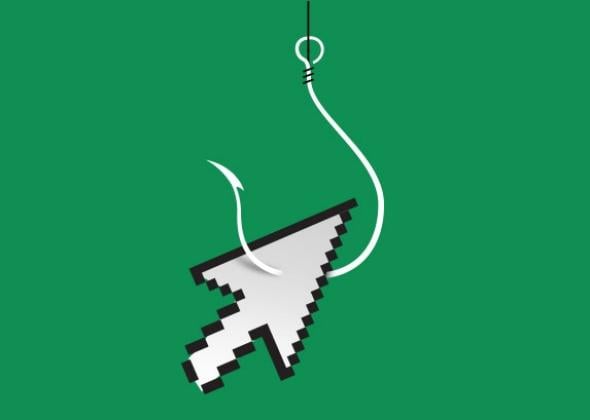
Source: https://www.wordstream.com/blog/ws/2014/07/15/clickbait


Hi Colin,
ReplyDeleteI felt compelled to click on this blog and read it because of the title. I completely agree with you that ads rely on something called “clickbait” and hook you in order to grab your attention. I also like how you use examples to provide the readers with a way to visualize and think about the instances that we have fallen for clickbait or hooks done by companies. I also like how you use a hyperlink to add a description of an unfamiliar term, the “curiosity gap,” which informs the reader and helps us understand what you are saying in your blog. In addition, the format of your blog is something I have never seen before. It makes the important section headers pop out and signals the start of a new section with a different topic. This helps to organize your blog structure and make it readable for the audience. I also like how you break the “fourth wall” by talking directly to the audience which adds a sense of humor like Deadpool and makes your blog very fun to read.
-Krish
Hi Colin! I laughed when I realized your title was your way of exemplifying the advertisement technique that your blog would be about–it was really creative and I’d be lying if I said that I didn’t fall for it. When I was younger and new to the Internet, I clicked on pretty much any and every title, whether it was a news article or a YouTube video, because the caps lock and thumbnails always portrayed the news as groundbreaking. I had no idea that this approach had a name–“the curiosity gap”–but it’s really interesting how everything in advertising (or any type of rhetoric, for that matter) is connected to how the human mind works and what it is attracted to. It used to irk me that I never actually got any answers from these articles, and any further research proved to get me nowhere. Now, though, I recognize whether or not any news I come across is fake or not, even though sometimes my parents continue to be surprised by “miracle remedies” to problems they don’t even have–just because some surgeon reportedly said they work. I think a lot of people don’t realize that almost every clickable icon on the internet utilizes some form of clickbait, and I like how you directly call out your audience. I also really liked your organization that described the step-by-step process of clickbait, as well as how you broke up your explanatory paragraphs with emojis and alarming titles, imitating the overwhelming nature of those types of articles. Thanks for sharing!
ReplyDeleteHi Colin, curiosity is the largest factor that causes people to question things, although I hate YouTube shorts that leave thoughts unfinished and say “comment for part two or three,” despite my great curiosity. However, the reason I clicked on this blog, for example, was because I wanted to know why you had published a blog that was titled “ignore this.” as if it was done by accident. Even if I knew that an article may not be as interesting as it seems, I never regret clicking on clickbait because it makes me feel so much more fulfilled, even if it did not surprise me as much as I originally thought. I realize that clickbait often includes factors that may appeal to the audience’s fear of what may happen without the knowledge or advice from the article or blog. I really like the use of emojis and bolded texts to divide up your blog, and I definitely agree that clickbait is often forgotten even though it constantly surrounds us.
ReplyDeleteHi Colin, your title is literally the most creative thing I’ve ever seen…how do you even come up with that?? It fits your blog so perfectly.
ReplyDeleteI definitely have experienced the curiosity gap in my life as well—it’s real for sure. Whenever I see a YouTube video that leaves information out, I am already filling in the blanks for what I think the video might be about. Sometimes, I click on the video just to see if my prediction is right. It has gotten to the point where titles like “This One Secret Hack Will Change Your Life!” are no longer interesting to me because it sounds way too much like clickbait and there’s too many possible topics, which makes it impossible for me to predict the topic.
I think that one way we can somewhat avoid clickbait is by clicking on the video (so technically not avoiding it haha) but scrolling to the comments first. Often, what people say reveals the whole topic of the video quickly, which allows me to determine if I want to continue watching before I fall down that 15 minute “rabbit hole.”
I also love how you talked about the disappointment element in clickbait; I find it similar to scrolling on reels. Whenever I say “one more reel and then I’m going to finish my work,” I don’t necessarily mean one more reel. What I actually mean is one more good reel—it has to be funny, interesting, or life changing. When the next reel is incredibly disappointing, I continue scrolling. And that’s how my annotations take me 5 hours to finish. Thanks for sharing!
Hi Colin,
ReplyDeleteI thought your blog post had a really creative topic that captivated my attention immediately. While most people usually talk about topics by simply writing out a blog post about it, you went above and beyond to create a highly engaging blog article with various emojis and other factors that we could connect well to our own lives. I found it really funny how the majority of your blog posts details about the inconvenience and annoyance caused by clickbait, but your blog post itself serves as a form of clickbait through the title “ignore this.” I thought this was really unique and imaginative of you! I found it fascinating how you almost personified clickbait as a person who seeks to rob you of your time and attention, almost as if they are conspiring against you. This take really made me think deeply about the intent of people who use clickbait, and why we follow it so subserviently. This thought process was, for me, really interesting, and I greatly appreciate the fact that your article allowed me to do so. I will definitely think about it every time I see a “clickbait” video/article while browsing the Internet!
-Ritwik